Baghdad and Erbil agree to tighten the noose on corrupt individuals and facilitate the execution of arrest warrants without geographical restrictions.
Baghdad and Erbil agree to tighten the noose on corrupt individuals and facilitate the execution of arrest warrants without geographical restrictions.
2026-08-27
 Shafaq News – Baghdad
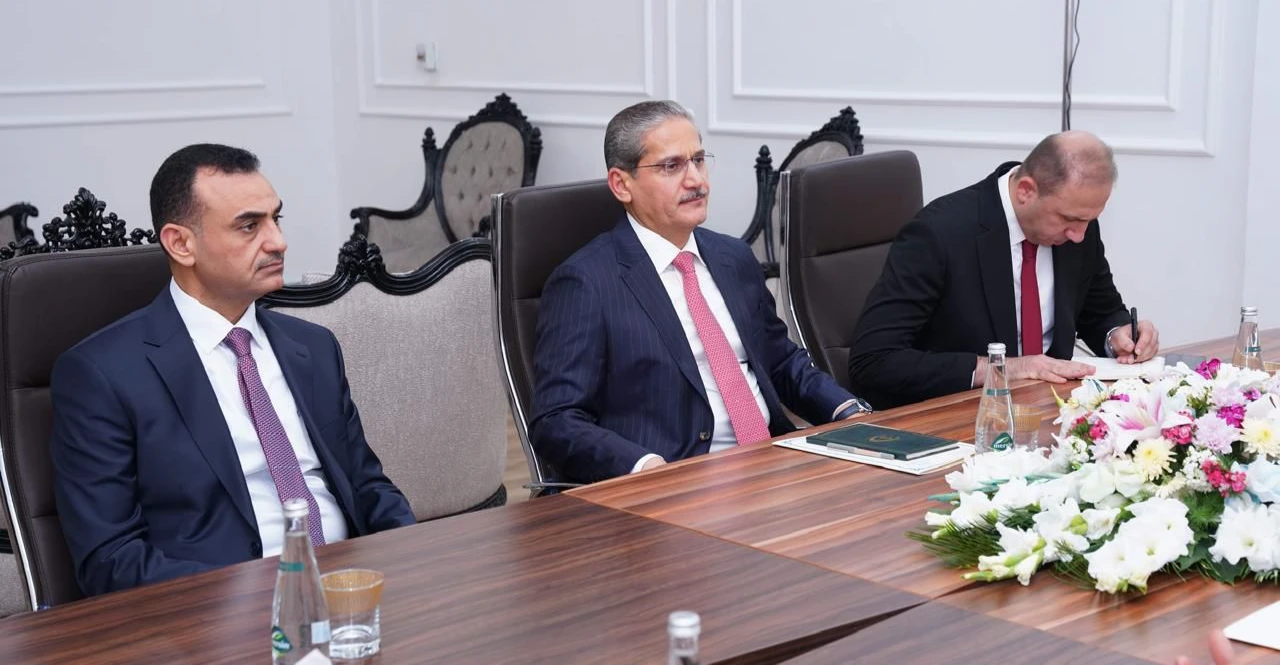
The Federal Integrity Commission and the Integrity Commission in the Kurdistan Region announced on Thursday an agreement between the two bodies to tighten the noose on corrupt individuals and facilitate the execution of arrest warrants without geographical restrictions.
In a joint statement received by Shafaq News Agency, the two bodies affirmed their determination to “raise the level of cooperation and coordination between them, in accordance with the principles of the constitution and applicable laws, including the amended Integrity and Illicit Gains Commission Law No. (30 of 2011) and the amended Integrity Commission Law of the Kurdistan Region No. (3 of 2011), and in a way that enhances the integration of the work of oversight bodies throughout Iraq.”
The two bodies expressed their appreciation for “the support provided by the three authorities: the judicial, legislative and executive, whether at the federal or regional level, to the efforts of the oversight bodies in pursuing corruption, preserving public funds and recovering funds obtained from it, foremost among them the judicial authority, which represents the constitutional and legal umbrella for investigation, inquiry and prosecution procedures, as well as the support of the Presidency of the Republic and the Presidency of the Region and their support for the efforts of the state’s oversight institutions, which contributes to enabling them to perform their tasks independently and effectively.”
The two bodies stressed “the need to intensify the deterrent role of anti-corruption institutions to include all of Iraq’s geography, and to streamline procedures so that geography does not become an obstacle preventing coordination or hindering concerted efforts, noting the importance of developing cooperation mechanisms in implementing arrest warrants, orders and judicial decisions, in order to ensure the enforcement of the law and prevent those wanted in corruption cases from exploiting administrative or geographical boundaries to escape legal procedures, and to work as one team in pursuing them and bringing them to the competent judiciary.”
The two bodies affirmed that “cooperation between the oversight bodies in the federal government and the Kurdistan Region represents a fundamental pillar in narrowing the avenues for escape and concealment of funds obtained from corruption crimes, and in strengthening efforts to recover and return them to the public treasury, in accordance with the constitution, applicable laws and judicial decisions.”
The two bodies agreed to “strengthen cooperation in training, awareness and prevention fields, in order to contribute to raising the efficiency of oversight performance and establishing a culture of integrity, transparency and accountability.”
Prime Minister Ali al-Zaidi had launched a campaign of arrests of a number of MPs and government officials involved in financial corruption cases, which he called “Dawn of Sunday” and “Dawn Charge,” because the first operations took place at dawn on Sunday, June 28, 2026.
The operation at the time included the issuance of arrest warrants, summonses, and investigations targeting dozens of prominent officials and politicians, including former and current members of parliament, officials, and businessmen, on charges related to wasting public funds and illicit gains.
shafaq.com
