“There is no fairness in the distribution of salaries”: A parliamentary proposal to resolve the crisis
“There is no fairness in the distribution of salaries”: A parliamentary proposal to resolve the crisis
2026-08-11
 Shafaq News – Baghdad
On Tuesday, MP Hayam Al-Yasiri, from the “Reconstruction and Development” bloc, proposed legislation that would require self-financing companies in state ministries to pay the salaries of the remaining ministry employees whose salaries are delayed, describing the proposal as “fair”.
Al-Yasiri said in a press conference followed by Shafaq News Agency that some departments in state ministries receive their employees’ salaries centrally, while others rely on a system of profitable, self-financing companies,” indicating that “Parliament must legislate a clause adopted by the government, through which the salary crisis can be resolved or included as a clause in the budget.”
She added that “the clause is that in every ministry there is a self-financing company, which is required to pay the salaries of centrally funded employees within the ministry in which it operates.”
Al-Yassiri called for “imposing a law on profitable companies to help finance the salaries of central funding in other ministries.”
She argued that “it is unfair for employees of self-financing companies to receive their salaries on time in addition to bonuses, while their colleagues in the same ministry or another ministry are without a salary.”
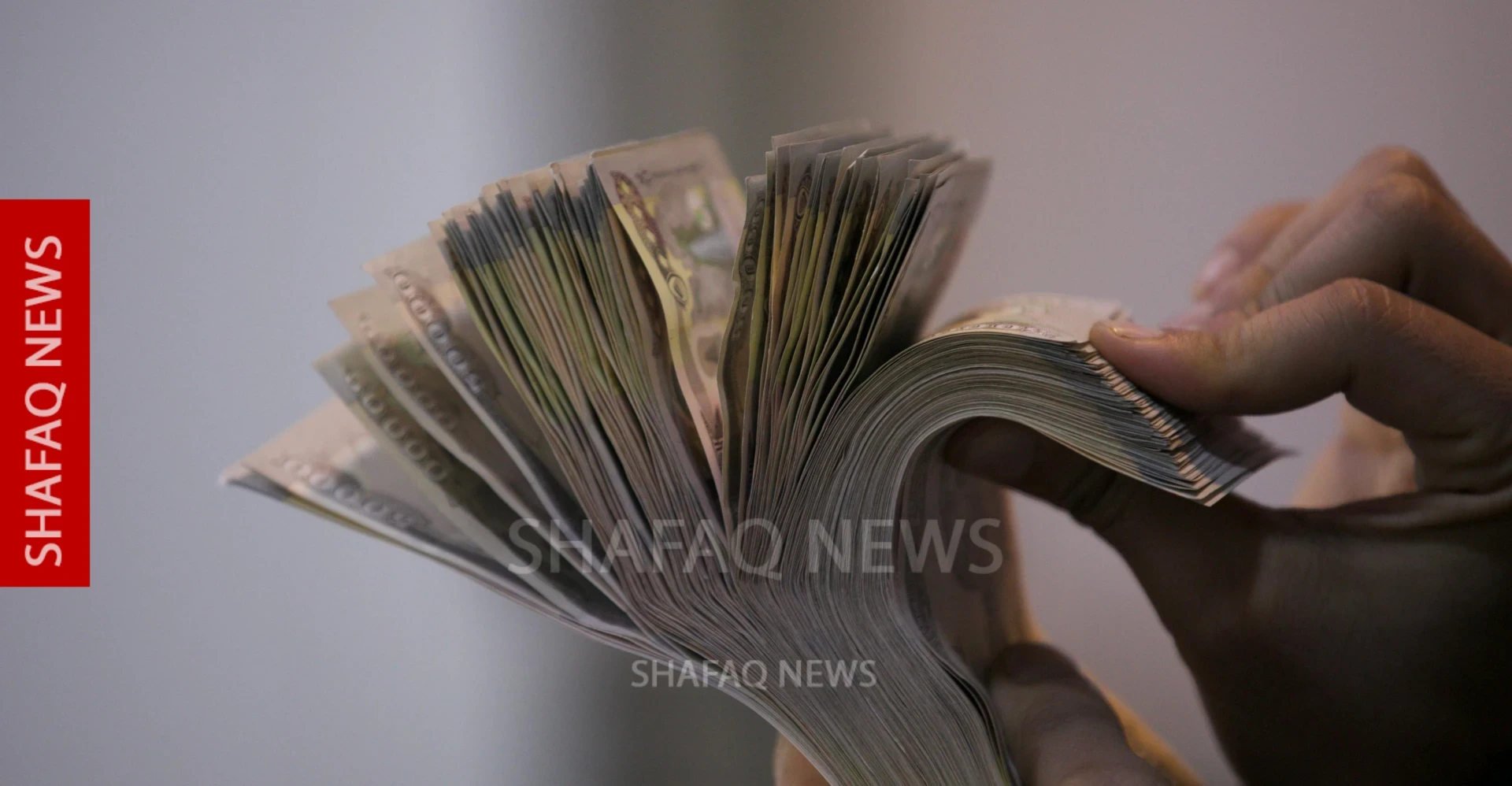
This comes as the crisis of delayed salary payments for a number of Iraqi state employees has exceeded 40 days, and a large segment of workers in government institutions are still waiting for their financial entitlements, amidst accumulated living obligations and increasing economic pressures that have begun to be clearly reflected in Iraqi markets.
With the ongoing liquidity crisis acknowledged by the Iraqi government, the problem of delayed salaries has transformed from a financial matter within the Ministry of Finance into a daily crisis affecting buying and selling activity and the ability of families to meet their basic needs, amid fears that markets will enter a longer recession if pressures on government spending continue.
These developments come at a time when the Iraqi budget is facing increasing pressure due to declining oil revenues and disrupted exports, while operating expenses continue to rise, with monthly salary obligations amounting to about 7.8 trillion Iraqi dinars, while the government has not yet been able to provide the full amounts required.
The Ministry of Finance had announced the provision of approximately 3.2 trillion dinars to disburse part of the obligations, at a time when government estimates indicate a large cash gap that affected the timing of the release of dues to a number of ministries and public entities.
shafaq.com
