With lamentations and chants, the return of Maliki sparks widespread controversy in Iraq.
With lamentations and chants, the return of Maliki sparks widespread controversy in Iraq.
2026-01-11 07:07
 Shafaq News – Baghdad
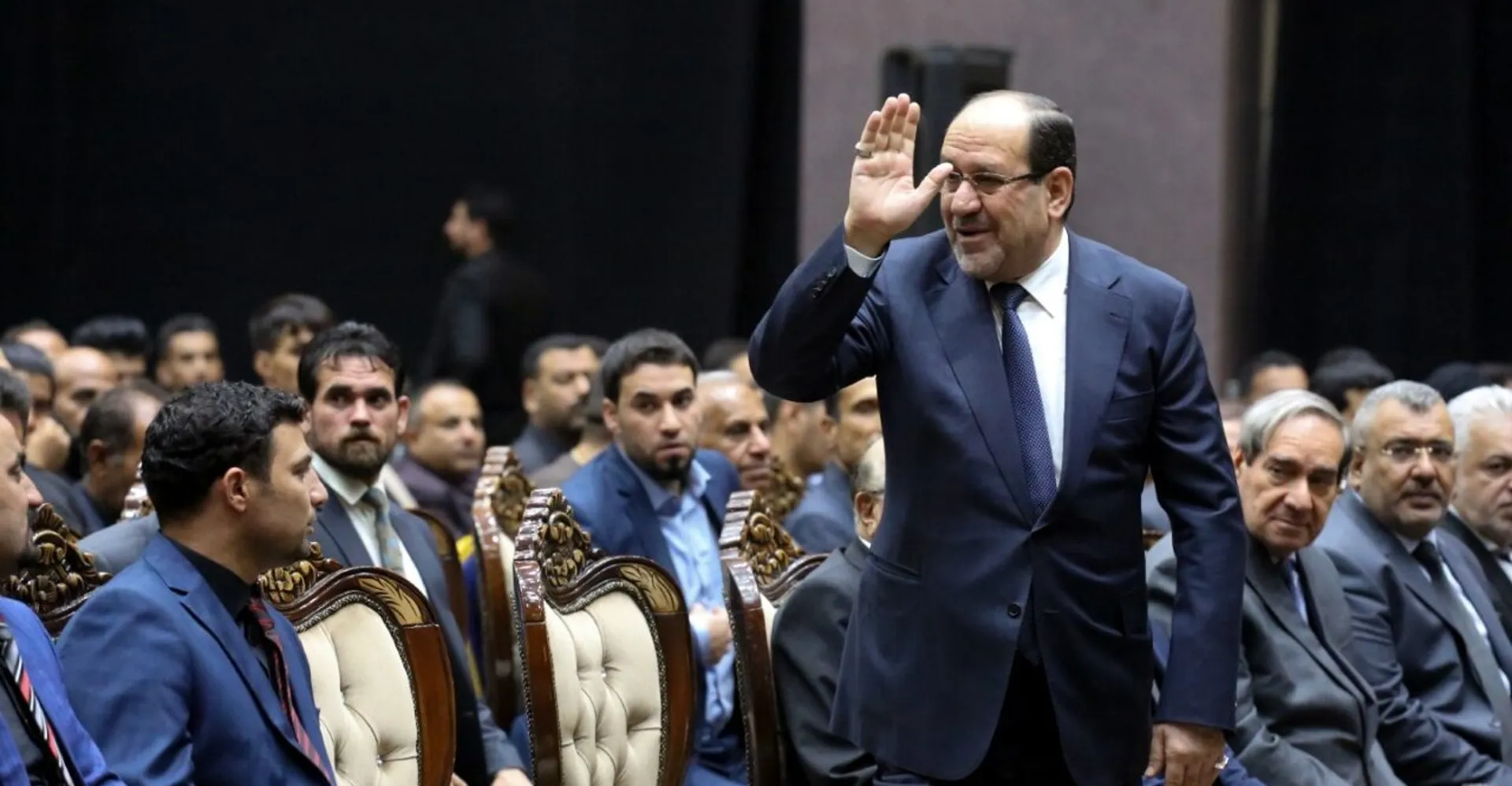
Since Sunday night, public opinion in Iraq has been preoccupied with a widespread wave of discussions on social media platforms, following talk that the “Coordination Framework” forces have reached an agreement to nominate former Prime Minister Nouri al-Maliki to head the next government, which means his return to the position for a third term if the nomination and voting procedures proceed.
Although no official confirmation has been issued regarding this news so far, it quickly turned into a controversial topic in the Iraqi digital space, as users shared it in the form of short posts, ready-made designs, and “edited” clips that rely on still images with music clips or composite videos, which is a common pattern in political interaction across platforms.
Reactions were divided between those who dealt with it with sarcasm and mockery, and those who expressed explicit support for al-Maliki’s return, recalling economic and security comparisons between different periods.
In contrast, a broad current emerged that rejects the idea and links it to the files of his rule from 2006 to 2014 and the political and security crises that accompanied it.
Among the most widely circulated clips after the news of the nomination spread were clips that employed the rituals of “self-flagellation” and “recitations” known in mourning gatherings, after including a picture of al-Maliki inside the clip, in a symbolic reference to a state of “sadness” within a satirical or protest context.
Other clips have also emerged that go in the exact opposite direction, presenting “Maliki’s return” as a “restoration of prestige” or “return of the state,” accompanied by “enthusiastic chants and songs,” according to expressions circulating among his supporters.
On another front, users reopened the old dispute between Maliki and the leader of the Shiite National Movement, Muqtada al-Sadr, and linked the possibility of his return to the premiership to the positions of Sadr and his supporters.
Videos were circulated that were based on two opposing narratives, one portraying the Sadrists as “concerned” about al-Maliki’s return due to the sharp political rivalry between the two sides, and the other hinting at al-Sadr’s readiness to confront any such return by mobilizing the street.
The roots of this tension go back to the years of al-Maliki’s rule, when the confrontation reached its peak in the Basra events known as “Operation Knights Charge,” a large-scale security operation that witnessed a direct clash with armed factions that were linked to the Sadr movement at that time, and ended with arrests, prosecutions, and an exacerbation of the political rift, leading to al-Sadr leaving Iraq for a period towards Iran at that time, according to what his opponents and supporters alike report in different narratives.
In addition to the issue of conflict within the Shiite community, activists recalled other events from the period between 2006 and 2014, including protests and escalating political tension in predominantly Sunni provinces, issues related to security management and disputes with political forces and local figures, and what followed later in terms of widespread security collapse represented by the control of large areas of the country by ISIS in 2014.
Opponents of Maliki hold his government politically and security-wise responsible for that period, while his supporters respond that the collapse was the result of complex security and regional accumulations and that his government was facing an open war with terrorism.
The issue of salaries and services also resurfaced in the public debate, as supporters of Maliki circulated a narrative stating that salaries were “better” and the economic situation was “more stable” during the years of his term, in contrast to responses that recalled daily bombings and acts of violence that struck different cities during that period, linking them to the failure of state systems and security files, with a significant difference in assessing the reasons and the responsible parties.
It is worth noting that Nouri al-Maliki served as Prime Minister for two terms between 2006 and 2014, before handing over the position to Haider al-Abadi following the 2014 elections.
During those years, Iraq witnessed sharp internal political conflicts, intermittent security deterioration, and then a major escalation that ended with ISIS taking control of large areas. These are milestones that are still strongly present in the Iraqi political and social memory, and their effects appear whenever the idea of its return to the forefront is raised again.
In this article, Shafaq News Agency includes examples of images and videos that have spread across social media platforms as part of monitoring public interaction. The agency confirms that it is not responsible for the content of these materials, but rather provides them to clarify the nature, trends, and intensity of the discourse being circulated.
shafaq.com
