US media: Mojtaba Khamenei granted Qalibaf full authority to negotiate
US media: Mojtaba Khamenei granted Qalibaf full authority to negotiate
2026-04-11
 Shafaq News – Follow-up
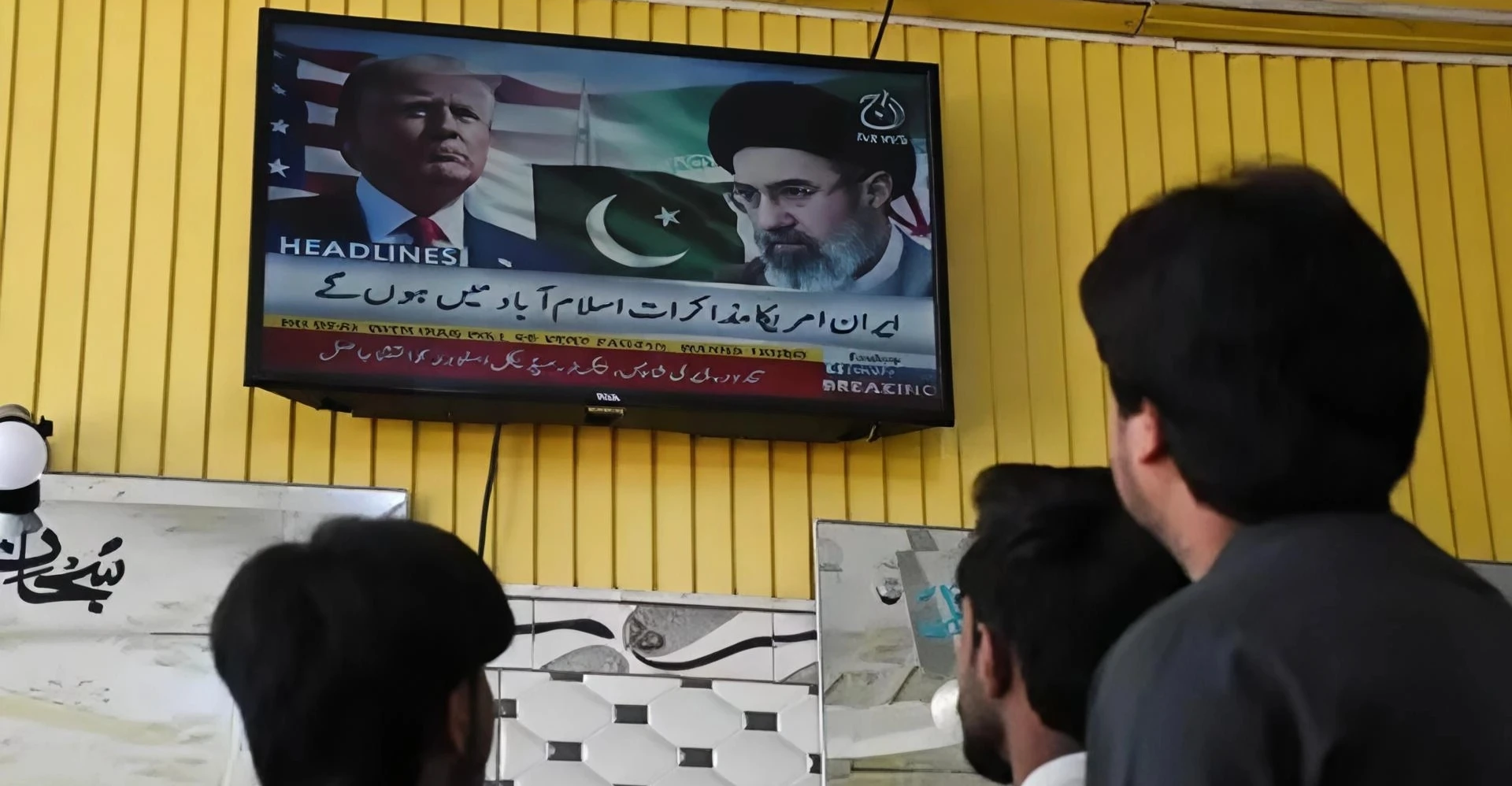
The New York Times reported on Saturday that the Iranian delegation currently in Pakistan has full authority to make decisions in Islamabad and is not required to consult with Tehran “given the sensitive and crucial nature of the negotiations.”
Three senior Iranian officials familiar with the talks in Pakistan, who asked not to be identified, said that Supreme Leader Mojtaba Khamenei had given the head of the delegation, Mohammad Baqer Qalibaf, who is the speaker of parliament, a close friend and ally, the authority to conclude an agreement or withdraw from the talks.
Iranian state media reported that the delegation will meet with Pakistani Prime Minister Shehbaz Sharif on Saturday afternoon, before meeting with the Americans, after having met on Friday with Army Chief Asim Munir.
The New York Times explained that Saturday’s talks should be taken seriously, as the delegation, consisting of at least 70 people, included experienced diplomats and negotiators, experts in financial and sanctions affairs, military officials, and legal advisors.
According to Vali Nasr, a professor of Middle East studies and an expert on Iranian affairs at Johns Hopkins University, what can be concluded from the Iranian delegation “is that they did not come to stall, but rather came with all seriousness and determination to reach an agreement with the United States.”
Nasr, who also served as the U.S. special representative to Afghanistan at the State Department during Barack Obama’s administration, said that such a large delegation of experts is usually only deployed if negotiations are in the final stages of an agreement, not to test the waters initially.
Omid Memarian, a senior fellow and expert on Iranian affairs at the Down Institute, believes the large Iranian delegation is intended to signal that senior leaders in Tehran support him.
He added: “The most important message that Iran is sending through the formation of its delegation is that there is an internal consensus on negotiations and reaching an agreement at the highest levels of the regime.”
Among the issues on the negotiating table are ending the war, opening the Strait of Hormuz to ships, and Iran’s nuclear program, while Iran’s interests include ensuring a comprehensive lifting of sanctions, releasing frozen funds, and compensation for the damages it suffered during the war.
Iran has declared that any peace agreement, whether temporary or permanent, must include its closest regional ally, the Hezbollah militia in Lebanon.
This has been a point of sharp contention, especially after the intense Israeli air raids on Lebanon that killed more than 300 people last Wednesday.
shafaq.com
