US bonds: A safe haven and a declining Iraqi investment.
US bonds: A safe haven and a declining Iraqi investment.
2026-06-11
 Shafaq News – Baghdad
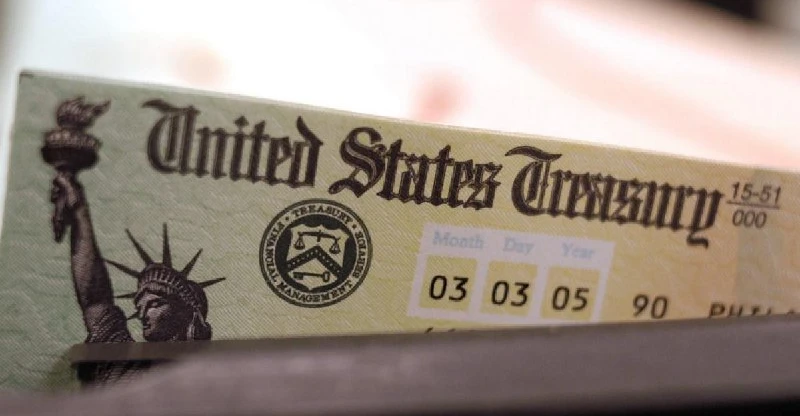
Despite the continued appeal of US bonds as one of the safest and most liquid investment instruments in the world, Iraq does not currently hold large investments in them compared to the size of its foreign reserves, after its holdings of US Treasury bonds declined in recent years, amid trends to reassess returns and investment alternatives, while financial experts confirm that the strength of the US economy makes these bonds a low-risk option for countries.
US bonds are debt securities issued by the US government and purchased by countries, central banks, and financial institutions to invest their reserves in exchange for a relatively fixed financial return. They are considered among the safest assets globally due to the strength of the US economy and the size of its financial market.
These bonds are divided according to their maturity period into short-term (up to one year), medium-term (from two to 10 years), and long-term (up to 30 years), with varying levels of return and liquidity between each type.
safe haven
Financial expert Mahmoud Dagher confirms that US bonds still represent a safe option for many countries, given the strength of the US economy and its large contribution to the global economy.
Dagher told Shafaq News Agency that the United States is the world’s leading economy and contributes about 28% of the total global economy, which makes its securities highly efficient, low-risk, and provide acceptable returns.
He added that countries resort to investing in US Treasury bonds to preserve their monetary reserves and ensure their stability, noting that Iraq was among the countries that benefited from this type of investment in recent years.
He explained that Iraq’s holdings of US Treasury bonds were close to $45 billion about six years ago, but they have decreased recently as a result of changes in returns and estimates of available investment alternatives.
Dagher expressed his support for continuing to buy US bonds, because of the financial return they provide and the possibility of converting them into liquidity quickly, as well as the ease of exchanging them for cash assets when needed, which are advantages that are not available to the same degree in many other global bonds.
Global Dollar Alternatives
For his part, economist Mohammed Al-Hassani believes that it is still too early to talk about the existence of real and quick alternatives to the US dollar or US Treasury bonds, pointing out that the global financial system is based on a complex network that makes replacing the dollar completely unrealistic in the near term.
Al-Hassani explained to Shafaq News Agency that the most prominent alternatives, such as the Euro, the Chinese Yuan, or gold, are still operating within the framework of “diversification” and not “replacement,” noting that US Treasury bonds remain the most liquid and safest in global debt markets, making them the first choice for central banks despite the economic challenges and ongoing transformations.
Al-Hassani points out that the decline in Iraq’s holdings of US bonds in recent years may be related to several factors, including the rise in US interest rates which changed the nature of returns, the Central Bank’s move towards redistributing foreign reserves among more diversified instruments, in addition to the need to maintain higher levels of cash liquidity to cope with market fluctuations and finance external obligations.
Diversification of foreign reserves
For his part, the Prime Minister’s financial advisor, Mazhar Muhammad Saleh, believes that diversifying Iraq’s foreign reserves and managing them within an investment portfolio represents a strategic policy aimed at reducing risks and enhancing monetary stability, by distributing foreign assets across several currencies and financial instruments instead of relying on a single asset.
Saleh told Shafaq News Agency that the foreign reserves held by the monetary authority must achieve three balanced objectives: protecting the stability of the local currency by possessing liquid assets used to intervene in the exchange market and finance foreign trade, reducing sovereign and financial risks by not concentrating the reserves in one currency or investment instrument, and achieving an acceptable return without sacrificing the elements of security and liquidity.
He added that reserves are usually distributed among multiple financial instruments including treasury bonds, sovereign deposits, gold and major foreign currencies, explaining that central banks adopt a strategy based on holding the currencies of countries with which they have extensive trade and investment relations.
Saleh pointed out that the main objective of managing the foreign asset portfolio is to achieve a balance between the ability to intervene in the exchange market, protecting the value of the national currency, and reducing exposure to global market fluctuations, thereby ensuring liquidity, security, flexibility, and an appropriate investment return.
Data on US Treasury bond holdings shows that major economies still rely on them as a key tool for managing their foreign reserves, with Japan topping the list of the largest foreign investors in US bonds with holdings exceeding $1 trillion, followed by the United Kingdom and then China, indicating continued global confidence in US debt instruments despite economic shifts and interest rate fluctuations.
In the Arab world, Saudi Arabia and the United Arab Emirates are among the largest investors in US Treasury bonds, benefiting from their financial surpluses and large foreign reserves, as part of a policy aimed at achieving a balance between security, liquidity and investment returns.
shafaq.com
