The path to development: From the umbrella of theory to the horizon of application
The path to development: From the umbrella of theory to the horizon of application
2026-09-22
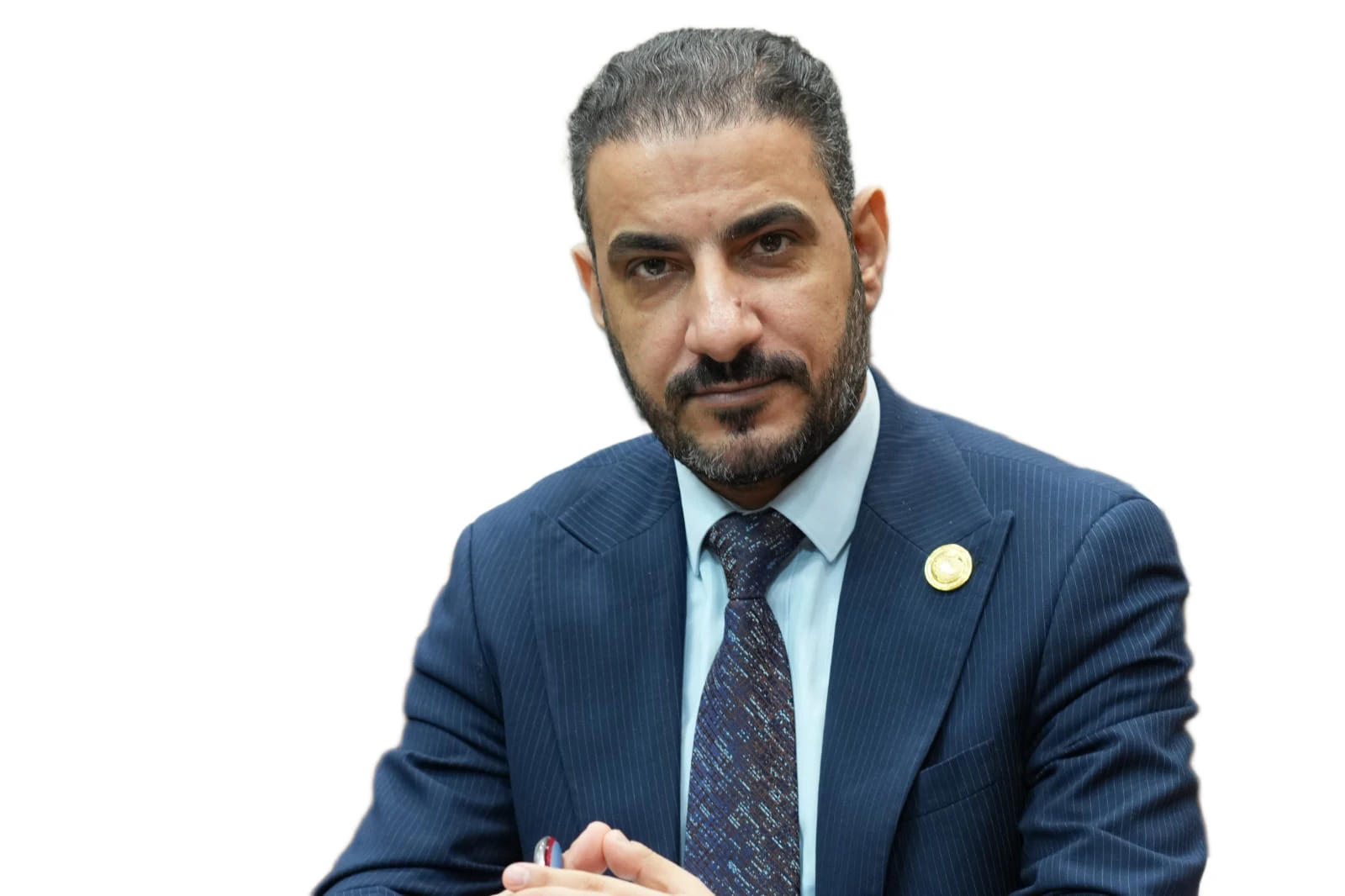 Dr. Firas Al-Muslawi
The Path to Development: From Theoretical Framework to Practical Application – A Political and Economic Vision for Iraq’s Present and Future
For decades, Iraq’s economic stability has been hostage to the sharp fluctuations in global oil markets, imposing a rentier reality that has hampered opportunities for inclusive growth and depleted the country’s resources. Today, the “Development Road” stands at the forefront of the national scene as the most important strategic transformation. This massive project is not merely a transit corridor for transportation, but rather a comprehensive nation-building project that connects Iraq to global trade routes and redefines its geopolitical position as an indispensable link between East and West.
First: Infrastructure and establishment… a positive accumulation in service of the national strategy
A thorough political analysis of the “Development Road” project confirms that it did not emerge in a vacuum, but rather as an extension of the commitments made by the previous government when it began laying the foundations for essential infrastructure. The past phase witnessed pivotal steps in completing key sections of the Grand Faw Port and defining the technical and logistical routes for rail and road connections.
This practical foundation, in which the Reconstruction and Development Coalition contributed, brought the project out of the realm of postponed ideas into a tangible executive reality, demonstrating that the sustainability of sovereign projects requires positive accumulation and integration of visions between the various governmental and parliamentary cycles.
Second: From theory to practice… the necessity of legislative coverage
One of the biggest obstacles facing major projects in modern Iraqi history has been the absence of the legal frameworks and legislative protections necessary to secure funding, investment, and long-term sustainability across successive governments. This underscores the importance of the current initiative by the Reconstruction and Development Bloc in Parliament to introduce the Development Roadmap Bill.
The enactment of this law represents the true transition of the project from “theoretical framework” to “practical reality.” The law aims to:
* Providing an attractive investment environment: Granting development incentives to national and foreign capital.
* Overcoming bureaucracy: Establishing a specialized body that is flexible and quick in decision-making, away from administrative complexities.
* Protecting the rights of future generations: Ensuring a fair distribution of returns and obligating state institutions to a strict implementation timetable.
Third: Economic and social dimensions… the coming lifeline
This project represents Iraq’s “economic savior” in the face of the crises of unemployment, poverty, and excessive dependence on oil revenues, and its direct repercussions are embodied in:
* Providing millions of job opportunities: The impact is not limited to the construction and railway extension phase, but extends to building industrial cities, free zones, and logistics centers along the route from Al-Faw to the Turkish border, creating a sustainable job market for youth and national talents.
* Eliminating poverty and developing the governorates: The road passes through multiple governorates, which means stimulating local economic activity, revitalizing remote areas, and distributing wealth and development in a balanced way that will reflect positively on future generations.
* Diversifying income sources: Transforming Iraq into an international transit hub that provides the public treasury with stable and continuous non-oil revenues.
Fourth: The security and geopolitical dimension
The economy and security are inextricably linked; cities and regions experiencing economic activity and developmental prosperity are the most stable and secure. Extending a development artery the size of the “Development Road” across Iraqi provinces contributes to:
* Strengthening community security: Eliminating poverty and unemployment reduces the fertile environments for organized crime or social deprivation.
* Consolidating regional sovereignty: Transforming Iraq into a meeting point for international and regional interests makes the stability and security of its territory a common interest for the countries of the region and the world, thus enhancing Baghdad’s position as a pivotal player in regional diplomacy and economics.
In conclusion
The “Development Road” project, supported by a well-established infrastructure and a promising draft law that the Reconstruction and Development Bloc is determined to enact, is not merely a five- or ten-year plan, but a new social and economic contract between the state and its citizens. It is the only strategic option for overcoming the complex crises and ensuring a secure and prosperous future for generations to come in Iraq.
shafaq.com
