Tehran is negotiating over its frozen assets; Qatari mediation aims to resolve the final obstacle with Washington.
Tehran is negotiating over its frozen assets; Qatari mediation aims to resolve the final obstacle with Washington.
2026-05-26
 Shafaq News – Doha
Iran’s Tasnim news agency quoted a source close to the Iranian negotiating team on Tuesday as saying that the release of about $24 billion of frozen Iranian funds is one of the most prominent items on the agenda of the memorandum of understanding being negotiated between Tehran and Washington.
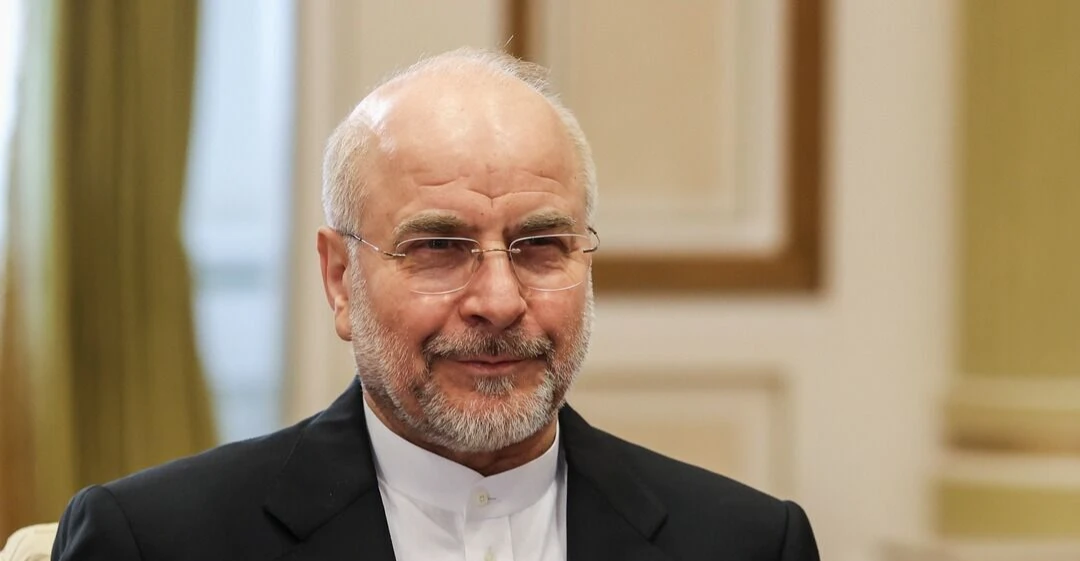
According to the source, Iranian Parliament Speaker Mohammad Baqer Qalibaf traveled to the Qatari capital, Doha, as part of efforts to reach an agreement on the mechanism for releasing these funds, amid intensive Qatari mediation between the two sides.
Tasnim News Agency confirmed that Qalibaf’s visit to Qatar made progress in indirect talks with the United States.
For its part, the Iranian news agency Fars indicated that Qatari mediation is currently working to resolve the issue of frozen Iranian funds, which is considered the “last sticking point” in the negotiations.
Fars reported that understandings between Washington and Tehran are nearing their final stages, after addressing most of the contentious issues, while the discussion is currently focused on the mechanisms for releasing Iranian funds and the conditions for implementing this within the framework of the proposed agreement.
Iran’s frozen funds abroad are estimated at $100 to $120 billion, representing oil sales revenues and Iranian assets held in international banks due to sanctions. These assets are currently at the heart of complex negotiations between Washington and Tehran, with Iran insisting on their release as a prerequisite for any agreements.
Estimates indicate that the most prominent countries holding Iranian financial revenues are China, which holds about $20 billion in oil revenues, in addition to $7 billion in India, $6 billion in Iraq related to electricity and gas revenues, as well as $6 billion transferred by South Korea to Qatar under previous understandings, in addition to other assets distributed in Japan, Luxembourg and the United States.
The roots of the Iranian funds seizure crisis go back to 1979 following the American hostage crisis in Tehran, when the first large batch of Iranian assets was frozen, and the issue later turned into an accumulated and complex file that the past decades have failed to resolve.
shafaq.com
