Hebrew report: The American embargo on Iran is suffocating it from within
Hebrew report: The American embargo on Iran is suffocating it from within
2026-08-29
 Shafaq News – Follow-up
An Israeli analytical article painted a bleak picture of the situation inside Iran, arguing that the repercussions of the war, the siege and American sanctions, along with economic deterioration and social tensions, are putting the Islamic Republic in front of one of its most complex crises since its founding.
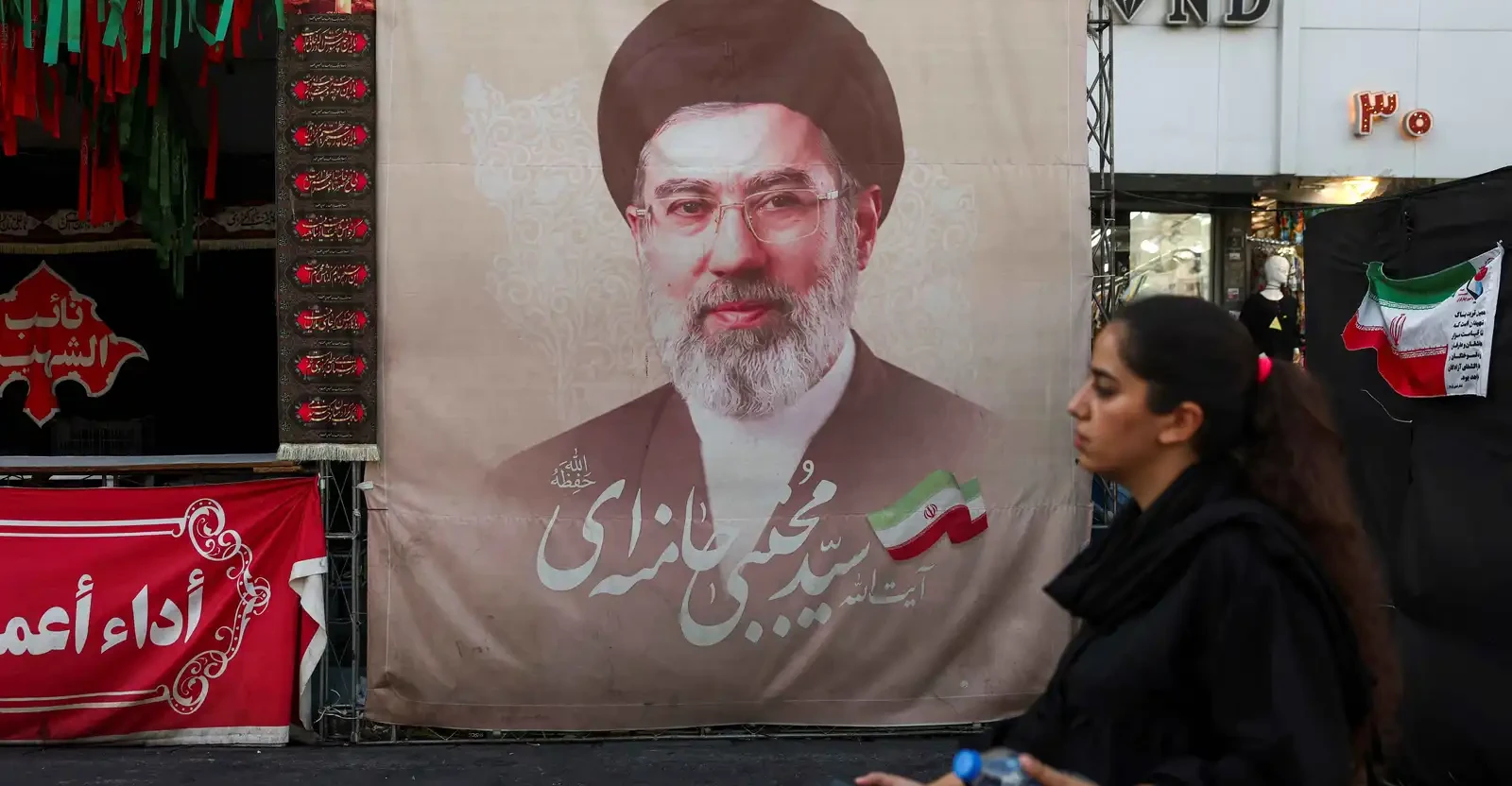
The article, published on the website of the Yediot Aharonot group, stated that the pressures facing Tehran are no longer limited to external confrontation, but have extended, according to its author, to the economy, the social base of the regime, and confidence in its leadership, coinciding with the continued absence of Supreme Leader Mojtaba Khamenei from public appearances.
The article’s author, independent researcher and commentator Dana Shamah, pointed to the collapse of the Iranian currency in the free market, amid the dollar exceeding the two million rial (200,000 toman) mark.
Shamah noted that the collapse of the currency’s value is no longer just an economic indicator, but is now directly impacting the daily lives of Iranians, with rising prices, eroding purchasing power, and widening the gap between segments of society and the elites associated with state institutions.
She said that “the market has turned into a daily battleground for the average Iranian citizen,” adding that continued inflation and declining living standards are undermining what she described as the last vestiges of trust between segments of society and the state, namely the provision of a minimum level of economic stability.
The writer believed that continued economic pressures could increase the likelihood of a return to internal protests, noting that fear of the security services diminishes as living conditions worsen and citizens feel they have little left to lose.
On the political side, the article focused on the killing of former Supreme Leader Ali Khamenei in the strikes that opened the war on February 28, and the subsequent assumption of the position of Supreme Leader by his son Mojtaba Khamenei, noting that his continued absence from public appearances has created a state of ambiguity regarding the nature of his administration of the country.
Mojtaba Khamenei has not appeared in public since taking office, although Iranian officials have asserted that he is still exercising his powers and making key decisions, and that his absence is related to his injuries and security considerations.
The article linked this absence to what it described as a decline in morale within some pro-regime circles, particularly in light of the failure to carry out a retaliatory response at the level that hardliners had expected after the killing of Ali Khamenei, in contrast to diplomatic attempts to reach arrangements that would reduce the intensity of the confrontation with the United States.
According to the Israeli analysis, one of the most serious challenges facing the regime is not only its adversaries abroad, but also the potential decline in confidence within its traditional base, particularly among hardliners and nationalists, some of whom view the negotiating track as an indication of weakness.
In contrast, the article pointed to the rise of internal strictness in social issues, most notably the mandatory hijab, with authorities in recent weeks tightening controls and closing a number of cafes, shops and establishments on the grounds of violating dress codes and public morals.
Shamah argued that focusing on enforcing hijab rules at a time when the country is facing war and severe economic pressures could backfire and deepen the gap between the state and social segments, especially between women and youth.
She added that the Iranian scene is no longer, in her estimation, simply divided between supporters and opponents of the regime, but rather the cracks have extended to multiple segments, from hardliners who are disappointed with the leadership’s performance to a younger generation that adopts more radical positions on the future of the regime.
The article concluded that the Islamic Republic is facing a complex crisis combining military pressure, sanctions, a blockade, currency deterioration, inflation, social tension, and ambiguity surrounding the new leadership. However, the author’s conclusion that these developments inevitably lead to regime change remains an analytical reading, not a definitive result that can be proven from current indicators alone.
shafaq.com
