From Hormuz to Bab al-Mandab: The Houthis threaten the world’s trade and energy lifeline.
From Hormuz to Bab al-Mandab: The Houthis threaten the world’s trade and energy lifeline.
2026-09-12
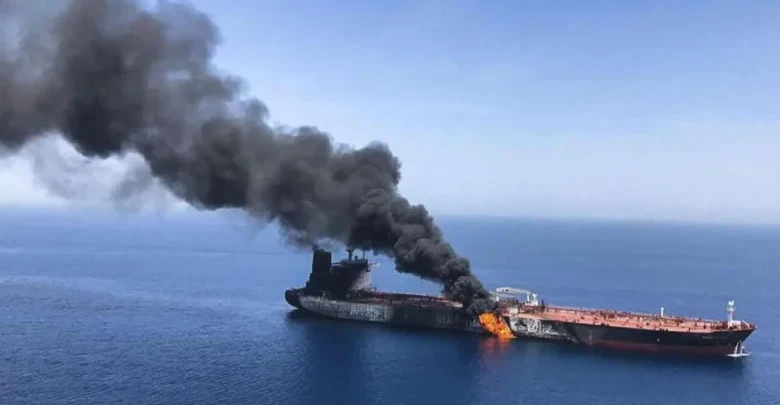 Shafaq News – Follow-up
Global trade and energy are facing increasing pressure as the Houthis move closer to controlling one of the world’s most important sea lanes, coinciding with disruptions in the Strait of Hormuz, putting energy and trade routes between Asia and Europe at risk of disruption and higher shipping and insurance costs.
According to a report by the American newspaper “The New York Times,” the Houthis made rapid field gains this week, including taking control of the strategic port of Mocha on the Red Sea and Perim Island “Mayyun” at the Bab al-Mandab Strait, coinciding with attacks that extended across the Yemeni border into Saudi Arabia.
Control of the island and port gives the Houthis a more influential position in one of the most sensitive maritime passages, as Bab al-Mandab represents the southern gateway to the Red Sea and the shortest route for ships coming from the Indian Ocean and Asia and heading through the Suez Canal to European markets.
The strait is only about 12.5 miles wide in some parts, or about 20 kilometers, while the shipping lanes are less than 3 miles from Perim Island, which puts passing ships within range of missiles and drones possessed by the Houthi group.
The Bab al-Mandab Strait connects the Gulf of Aden to the Red Sea, and oil tankers, container ships, and cargo ships pass through it on their way from Asia and the Gulf to the Suez Canal and from there to Europe, making any prolonged disruption there a direct threat to global supply chains.
If security risks force shipping companies to avoid Bab al-Mandab, then rounding the Cape of Good Hope will become the most prominent alternative route, which means adding long distances to sea voyages and increasing fuel consumption, insurance and operating costs.
The potential impact is not limited to oil tankers, as the Red Sea and the Suez Canal form a major part of the trade routes that connect Asian factories and markets with Europe, and include container ships, goods, raw materials and energy.
The current developments are made more sensitive by their timing, coinciding with the turmoil in the Strait of Hormuz, which is the main outlet for oil and gas exports from the Gulf to global markets.
While Hormuz connects Gulf energy producers to international markets, Bab el-Mandeb represents the shortest sea route between the Indian Ocean and the Mediterranean Sea via the Suez Canal, meaning that disruption to both waterways simultaneously would limit the options for shipping companies and energy tankers.
The New York Times report suggests that the Houthis’ recent territorial gains could add further disruption to global shipping, especially given the Hormuz disruptions, and open the door to wider repercussions on shipping, insurance, and energy prices.
These developments come in the context of the war that erupted following the American and Israeli attacks on Iran this year, which have cast a shadow over shipping in the region and raised the level of risk in vital sea lanes.
With the Strait of Hormuz under severe pressure and risks escalating around Bab el-Mandeb, global trade and energy traffic faces the prospect of simultaneous disruption at two of the most important maritime chokepoints, making any new escalation in the region more impactful on markets and supply chains.
shafaq.com
