Baghdad offered an oil settlement; Korean companies are demanding $415 million from Iraq.
Baghdad offered an oil settlement; Korean companies are demanding $415 million from Iraq.
2026-09-22
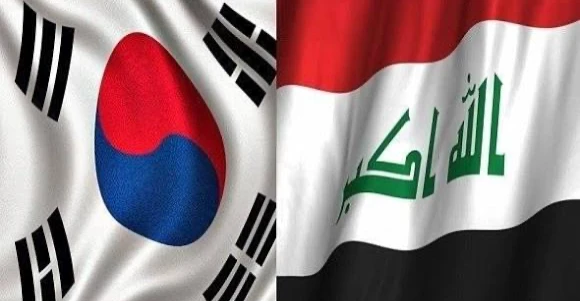 Shafaq News – Special Translation
The South Korean newspaper Chosun Ilbo revealed that Korean defense and construction companies have accumulated overdue payments from the Iraqi government and other entities amounting to at least 565 billion Korean won (US$415.3 million), while Baghdad has proposed settling the debts with crude oil instead of cash payment.
According to a report by the Korean newspaper, translated by Shafaq News Agency, the outstanding dues owed to Korean companies for more than a year include about 378 billion won in the construction sector and 187 billion won in the defense sector.
In the construction sector, a company has not received payments of $275.44 million related to a new city project in Iraq (Bismayah). The accumulation of these payments since 2020 has led to layoffs of local employees and difficulties in continuing work, with reports of the company potentially withdrawing from the project.
Last May, the South Korean government sent a ministerial envoy from the Ministry of Foreign Affairs to Iraq to discuss the issue of outstanding payments. The envoy met with the Iraqi Deputy Minister of Oil, but the report indicated that no tangible progress had been made in addressing the issue.
About four months later, the Iraqi Ministry of Oil stated, according to the report, that the company had to “complete the remaining construction work at its own expense,” while the deputy oil minister who had been negotiating with the Korean side was arrested by government orders following the Iraqi general elections and the cabinet reshuffle, which led to the failure to pay the dues and the lack of clarity regarding the future of the negotiations.
In the defense sector, the Korean report indicated that another company did not receive approximately $136 million, or about 187 billion won, for projects including the construction of bases, troop support, and helicopter-related work in Iraq.
According to the report, Iraqi officials proposed settling outstanding payments through crude oil instead of cash payments, but this option imposes burdens on Korean companies related to transportation, refining, storage and converting oil into money, as well as the risks of fluctuating oil prices and the possibility of bearing transportation and storage costs.
For his part, South Korean lawmaker Lee Jae-kang, a member of the National Assembly’s Foreign Affairs and Unification Committee, said that recovering overdue payments “should not be left to individual companies,” calling for the establishment of a comprehensive government support system to address the issue.
He stressed the need for the Ministry of Foreign Affairs to lead the response, in cooperation with the Ministries of Defense, Finance, Economy, Land, Infrastructure, Transport, Trade, Industry and Resources, along with the Defense Acquisition Program Administration, relevant Korean trade insurance institutions and the Export-Import Bank.
He explained to me that settling dues in crude oil may require companies to deal with a series of procedures, starting with securing transportation and storage facilities, moving through converting oil into cash, and ending with dealing with taxes.
He concluded that outstanding receivables in Iraq should not be treated as merely a problem of collecting debts belonging to individual companies, but should be addressed through a comprehensive and organized government system to support affected companies.
shafaq.com
