Exclusive: Iraq is considering broad austerity measures, including merging agencies and reviewing officials’ salaries.
Exclusive: Iraq is considering broad austerity measures, including merging agencies and reviewing officials’ salaries.
2026-10-12
 Shafaq News – Baghdad
A government source revealed on Monday that there is a move to include broad measures to control public spending and rationalize expenditures within the draft federal budget law for 2027, including studying the merger of some independent bodies, and reviewing the salaries of certain categories and the pensions of some officials, as part of government efforts to address the financial crisis facing the country.
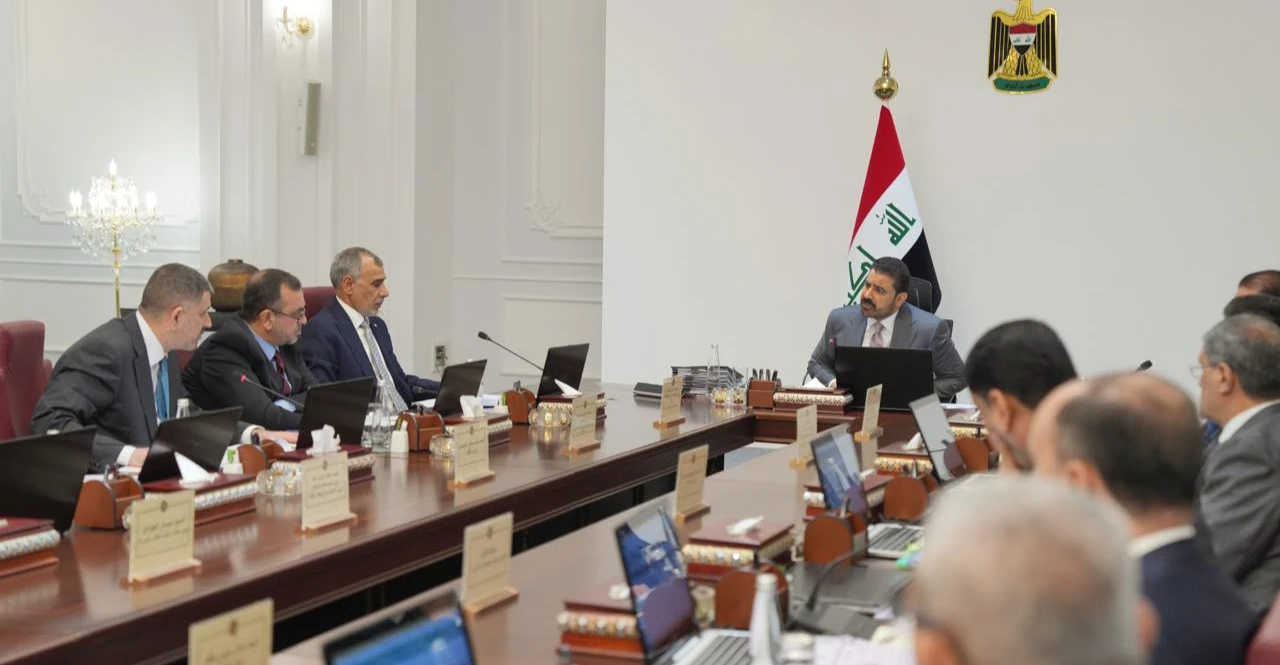
The source told Shafaq News Agency that “the government team assigned by Prime Minister Ali al-Zaidi to study the financial crisis and develop appropriate solutions, in coordination with the Legal Committee in the House of Representatives, presented a number of proposals aimed at easing the financial burdens on the state treasury and reducing unnecessary spending.”
He explained that “the proposals included studying the reality of the oil sector and the mechanisms for exporting crude oil, merging some independent bodies, tightening control over the movement of the dollar, as well as reducing government expenditures and reviewing the salaries of some categories and the retirement salaries allocated to a number of officials.”
The source added that “in order to avoid stirring up political controversy over some of the proposed measures, the government team decided to include in the 2027 budget draft a general clause allowing the postponement of obligations and procedures with financial burdens that weigh heavily on the state during the next fiscal year, provided that this does not negatively affect the public interest of citizens.”
He explained that “this formula gives the government greater flexibility in managing expenditures and setting spending priorities according to the available financial capabilities, instead of going into details that may provoke political disputes or objections from the parties covered by the spending reduction measures.”
The source indicated that “the draft budget law will soon be referred to the House of Representatives to complete the legislative procedures, and if the proposals related to rationalizing expenditures are approved, the size of government spending will witness a clear decrease during the coming year.”
Iraq’s public finances are facing increasing pressure due to declining oil revenues and disruptions to export activity, in contrast to rising operational obligations, primarily salaries of employees and retirees and social protection expenditures.
On September 27, 2026, the Iraqi Ministry of Finance announced that it had referred the 2027 draft budget to the Ministerial Council for the Economy, after completing its preparation stages, in preparation for its discussion and government approval before sending it to the legislative authority.
Initial estimates for the 2027 budget project indicate total expenditures of approximately 217 trillion dinars and a deficit exceeding 40 trillion dinars, based on a hypothetical oil price of $58 per barrel.
shafaq.com
