Israeli report: Iran has established a system to ensure the resilience of its “missile cities” under attacks.
Israeli report: Iran has established a system to ensure the resilience of its “missile cities” under attacks.
2026-06-06
 Shafaq News – Middle East
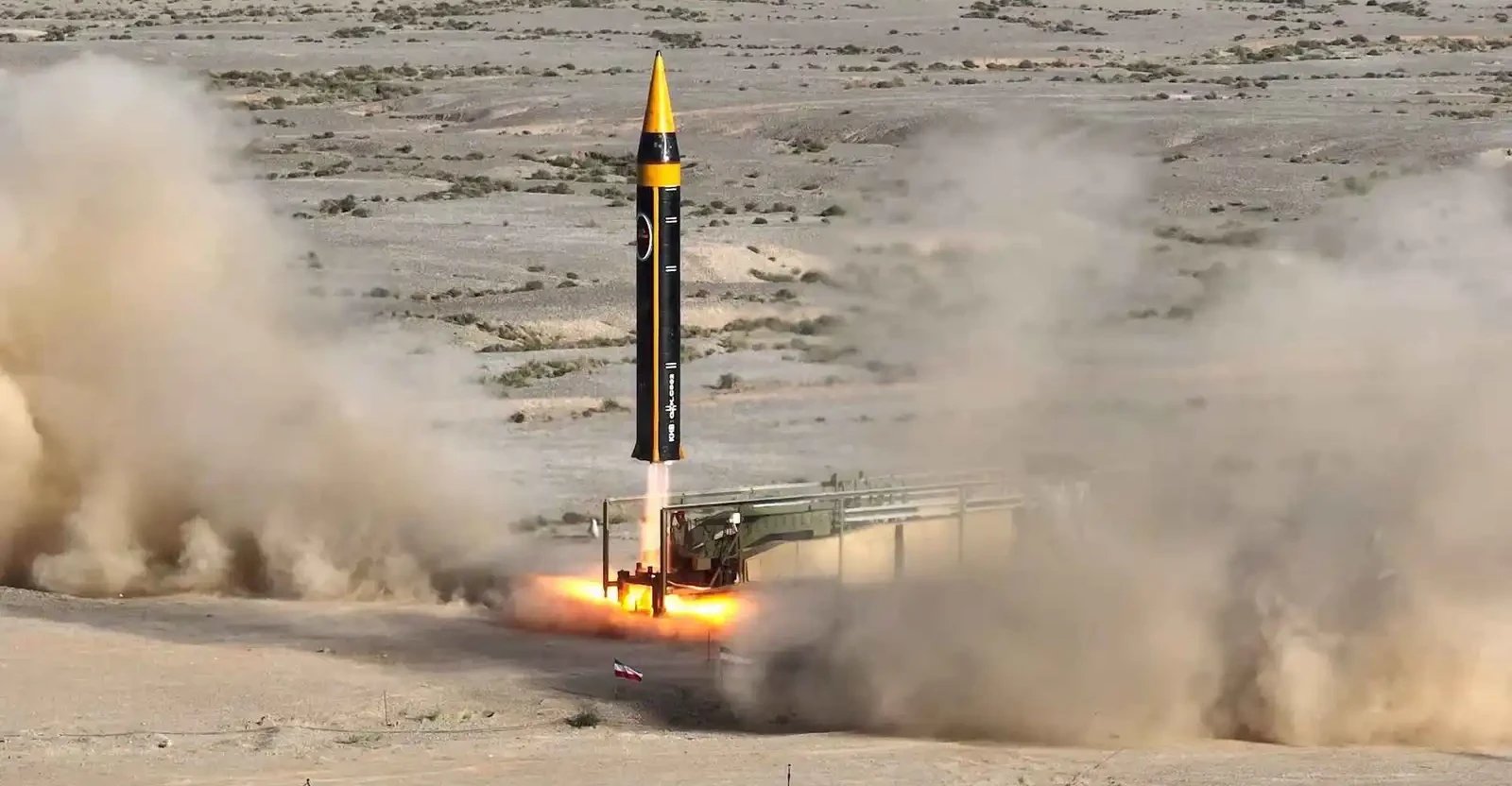
An Israeli report revealed on Saturday that Iran has moved to a strategic system designed to ensure the survival and resilience of its “missile cities” even after heavy airstrikes that they may be subjected to.
The Hebrew website “Netsiv” reported, in a report seen by Shafaq News Agency, that Iran continues to rehabilitate and expand underground military facilities that were damaged by the attacks, and is even building new layers of protection and additional tunnels.
The report indicated that satellite imagery analysis suggests that most Iranian activity is concentrated in: the mountain ranges in central Iran around Isfahan, the city of Khomein and parts of western Iran, the city of Tabriz in the northwest, the coasts of the Persian Gulf and the Strait of Hormuz including the Qeshm Island region, and old Revolutionary Guard bases that have been expanded and dug deep into the mountains.
The Hebrew report noted that the images and analyses reveal extensive Iranian systems consisting of: tunnel networks several kilometers long, dozens of entrances and exits for each complex, and huge warehouses capable of accommodating hundreds of missiles. Some of the facilities were dug into mountains hundreds of meters deep.
The report noted that these systems and their networks are based on the identification of underground “vertical launch cells” in several locations that allow for launching directly from within the Iranian mountains.
The report explained that Iran seeks to achieve four goals, the first of which is “survivability” so that even if one base is destroyed, the other bases remain in service.
The second objective is “the ability to launch a second strike” so that Iran, after launching any surprise attack against it, remains capable of launching hundreds of missiles. The third objective is “the ability to conceal” so that it is difficult to determine the actual locations of the missiles, according to the website.
The fourth objective is considered one of the most prominent of these objectives, and it is to “reduce response time,” so that the missiles are ready to be launched inside the tunnels without needing more time to move them to an open area.
The report concluded that “in the long term, this is perhaps one of the most important military developments from Israel’s point of view. If previously it was possible to destroy large missile depots with a surprise attack, now a large part of the arsenal can be protected deep in the mountains.”
shafaq.com
